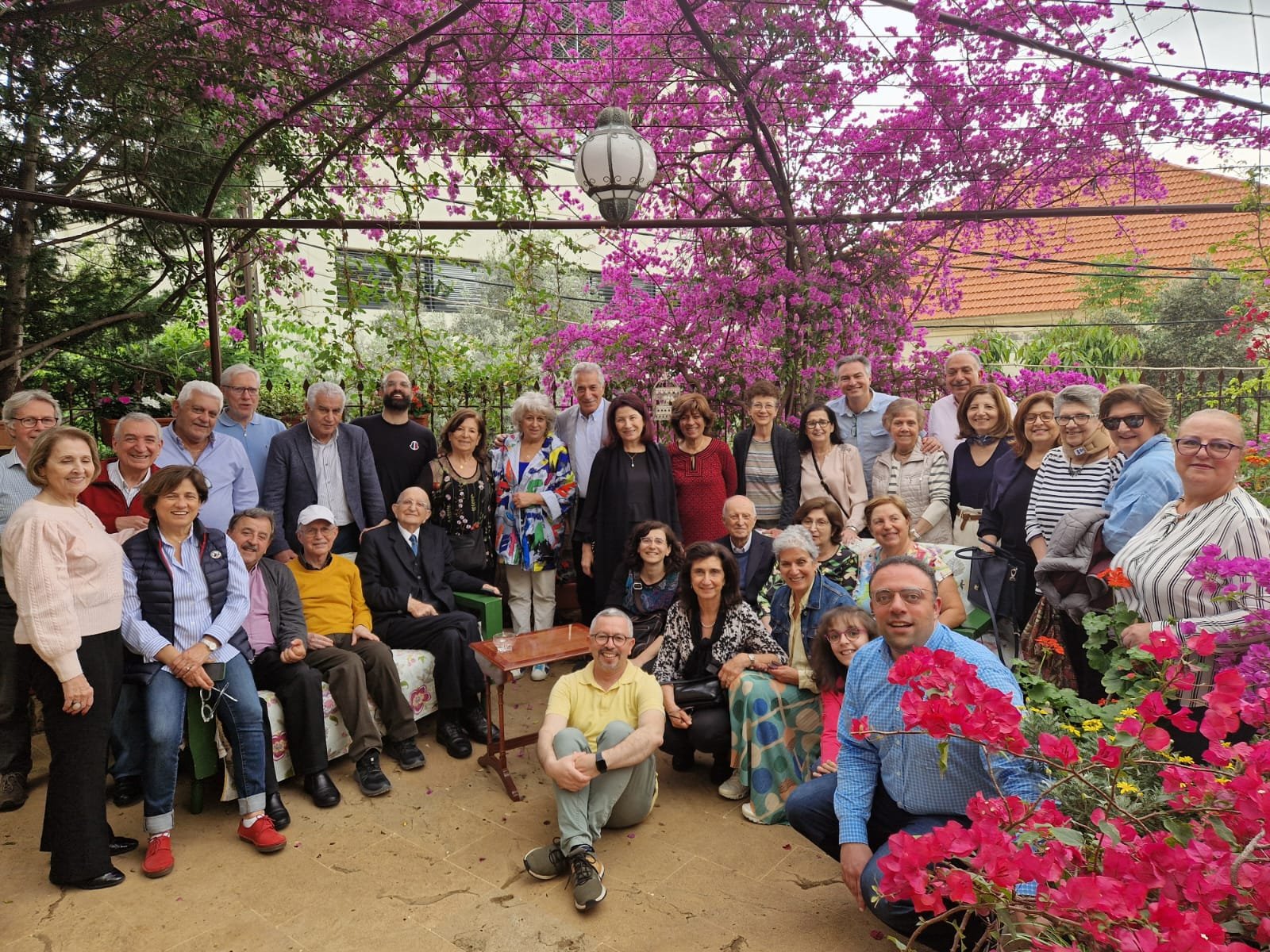

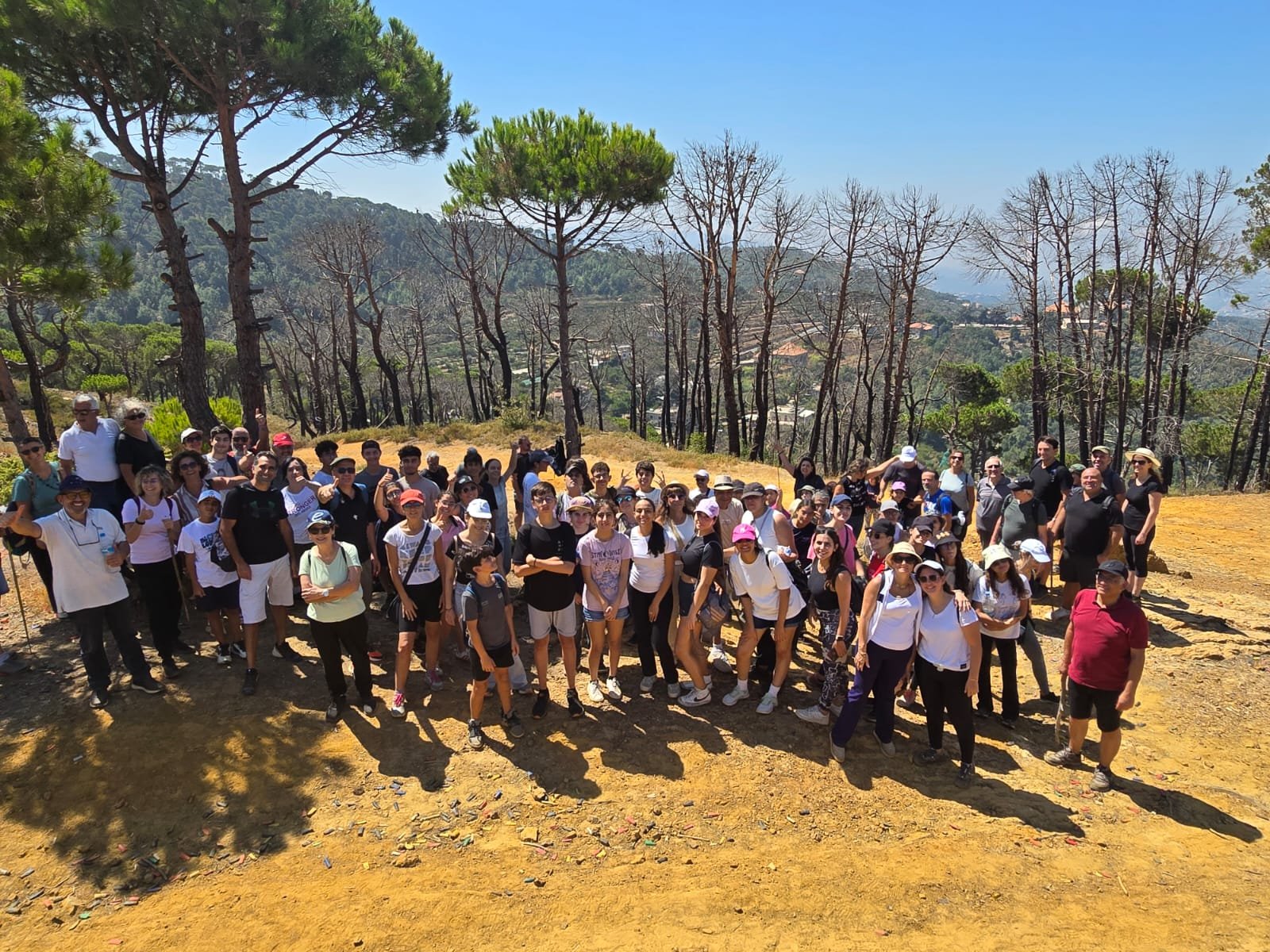
A people who aspire to unity and universal brotherhood among all peoples.
What is the Focolare Movement?
THE FOCOLARE MOVEMENT
The Focolare Movement (Work of Mary) is a lay movement born within the Catholic Church, which quickly attracted people from other Churches, religions, and different convictions. Its purpose is the realization of unity among people, as Jesus asked: “that all may be one” (cf. Jn 17:21), in order to contribute to the building of universal fraternity.
The Movement was born in Trent, in Northern Italy, in 1943, during the Second World War. Its founder, Chiara Lubich (1920–2008), felt deep within herself that there was an ideal no bomb could destroy: God. Together with her companions, she decided to make God—who is Love—the Ideal of their lives.
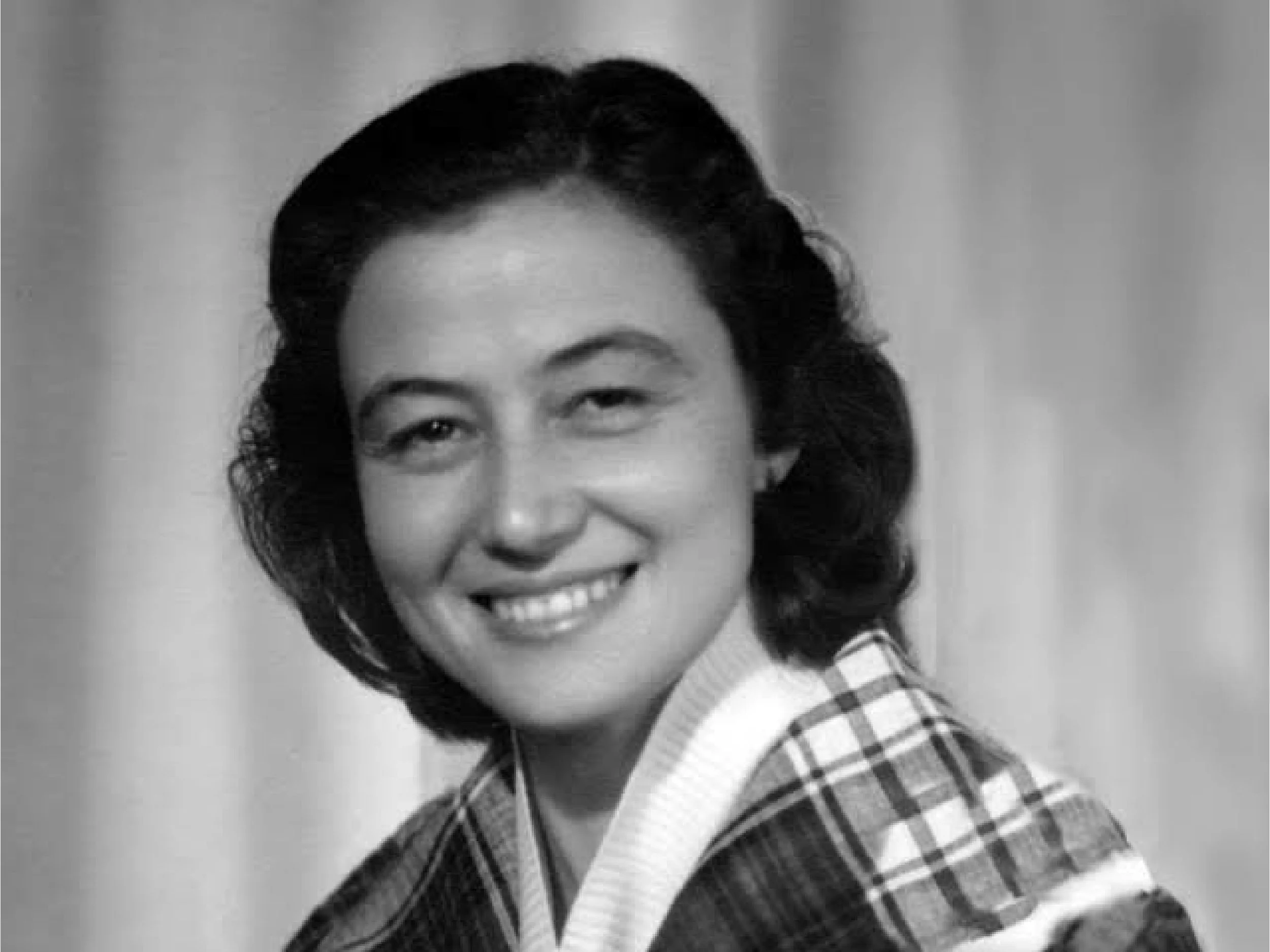
By opening the Gospel in the air-raid shelters, they understood that they were called to live the Word of God, and in particular, the commandment that sums up the entire Gospel: love.
From its very beginnings, the nascent movement brought together people of all cultures, vocations, ages, social categories, ethnicities, and religions. The majority are lay faithful, but also include consecrated people, priests, and bishops.
SPREAD
Within a few months, a community similar to that of the first Christians was formed in Trent, united by the bonds of evangelical love and by the sharing of spiritual and material goods. This way of life quickly spread from Trent to Italy, then to Europe, and since 1959, to the four corners of the world.
The Movement is present in 182 countries, with stable centers in 87 nations. Christians belonging to 350 Churches and ecclesial communities are part of it, and believers of different religions, as well as people of non-religious convictions, share in various ways its spirituality and its objectives.
OUR GOAL
To promote the unity of the human family in its broadest sense. For this purpose, the Focolare is open to dialogue with people and organizations from all cultures and expressions:
They work for ever greater unity within the Catholic Church;
They seek relationships of communion and offer visible signs of unity among Christians of different Churches;
They commit themselves to building unity through shared engagement around the “Golden Rule,” present in almost all the sacred books of the great religions: “Do to others what you would have them do to you.”;
They collaborate with people of non-religious convictions based on shared values oriented toward the common good;
They dedicate themselves to creating spaces of encounter and dialogue in the various fields of culture.